Most buyers treat minimum order quantity as one number to argue down. In strap production it is better understood as the point where a factory can run a material, a colour and a construction through its normal process without special handling. Once you see where the number comes from, the discussion shifts from pushing on volume to adjusting scope, and the quotation starts to match what the line can deliver.
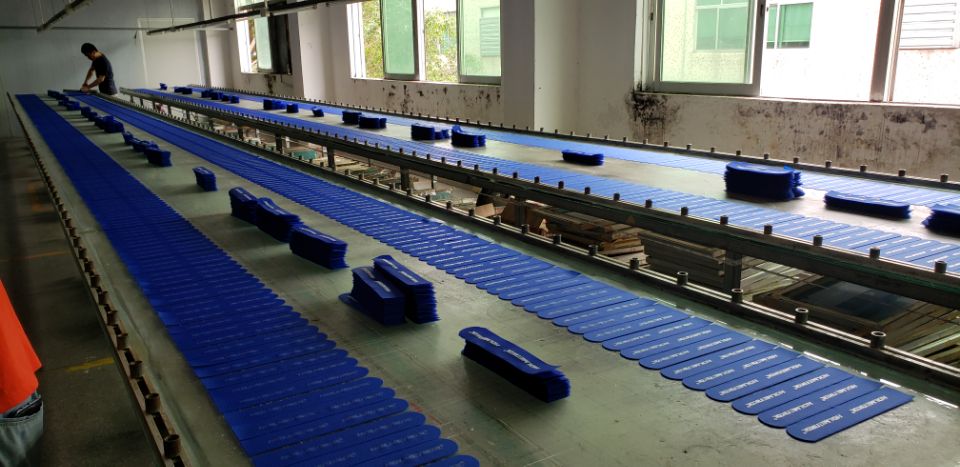
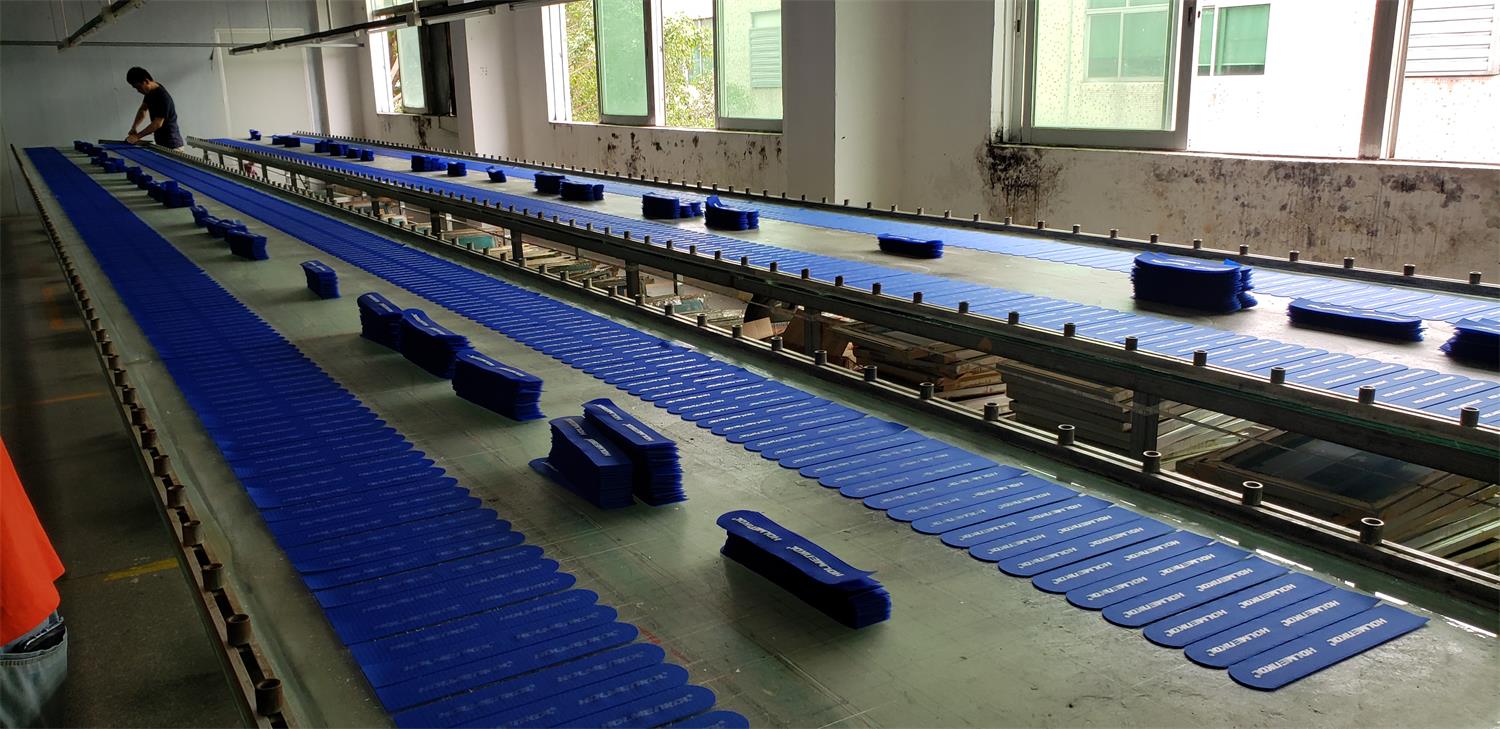
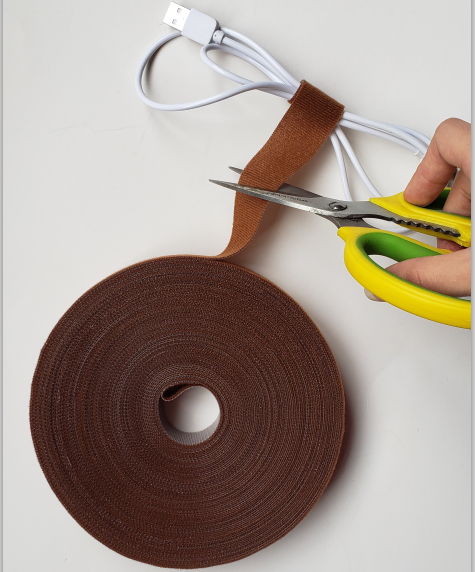
A webbing and hook and loop factory buys material in mill-level units: rolls of tape, rolls of webbing, sheets of foam, spools of thread. Those rolls are opened for a run, not for a single order. If an order cannot consume a roll or a dye lot, the remainder is either carried as inventory the factory may never use again, or charged into the order. The minimum exists because someone must absorb that remainder.
That is why the number moves. The same factory quotes a different minimum for a black strap in a standard width than for a custom colour in an unusual width, because only one of those can be pooled with work already scheduled.
A supplier who accepts a small order does not remove those costs; they reappear somewhere. Watch for material drifting toward a lighter tape, colour matched by eye rather than against an approved reference, a shortened overlap on the closure, or a simplified stitch at the tab. None of this shows on the invoice, and all of it shows in the field. Ask what changes when quantity drops: which component, which process, which inspection step.
Sampling is separate. A prototype is built outside the production flow, often by hand, so its cost structure bears little relation to the bulk order.
The reliable route to a workable minimum is to reduce what varies, not what ships.
Ask whether the minimum applies per colour or per order, and whether it changes with width. Ask whether it covers the finished strap or each component. Ask how a repeat order below the original quantity will be handled, and which inspection steps run on the full lot rather than by sample. The answers say more about the supplier than the number does, because they show whether the minimum is a real constraint or a negotiating position.
Buyers who handle this well settle the minimum before the design is frozen. They choose a webbing width already in the mill's range, select colours from a standing palette, and keep branding on a component that can be shared. The strap then enters the factory as a normal job, and the quantity discussion becomes a scheduling question rather than a cost argument.
If you are planning a first custom strap project, send your drawing, the intended use and your launch window through our contact page at /contact-us/ and we will reply with a construction proposal, a sampling plan and a realistic schedule.

subscribe